Table Of Content

Although their appearance can be quite alarming, especially for those who are not fond of insects and other creepy crawlies, it is essential to determine if they pose any threat to us. Just as their speed helps them capture prey, it also enables the centipede to escape predators. If a predator does manage to grab a leg, the house centipede can shed the limb and flee. Strangely, the house centipede's detached leg will continue to move for several minutes after its owner has left the scene.
Dealing With House Centipedes: Pest Control Expert Consultation
Although house centipedes don’t pose a threat to humans and don’t typically harm infrastructure, seeing them in your home can be alarming. House centipedes (Scutigera coleoptrata) are small arthropods commonly found in homes and other indoor spaces. They are known for their long, segmented bodies and numerous legs, which can make them appear somewhat alarming to those unfamiliar with them.
Which Centipedes are Poisonous?
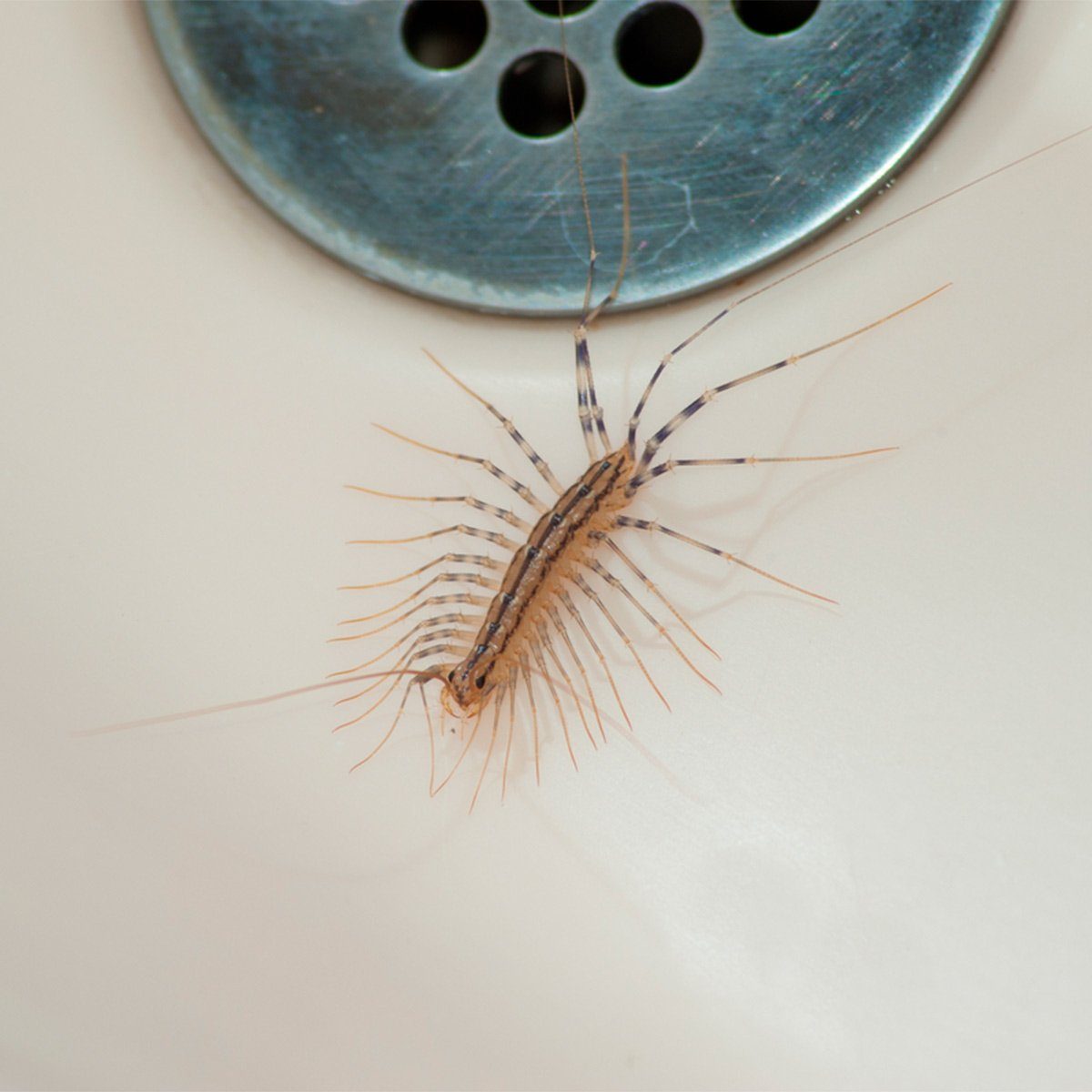
However, serious bite effects are more likely to be the result of secondary infection than the bite itself. Rest assured, the common house centipede found in the U.S. is rarely dangerous and even more rarely life threatening. Although people use the term “bite,” a centipede does not actually use their mouthparts to damage the skin.
Dig Deeper on House Centipedes
This powdered substance made from crushed insect exoskeletons is a very effective remedy for all kinds of indoor pests. The microscopic jagged edges of the powder pierce the body of the house centipedes and also dry out the fat and oils contained inside, slowly killing them. Sprinkle liberally around cracks, door thresholds, and in corners, especially in damp areas.
Once temperatures begin to get colder in autumn they may want to find an indoor hiding place. If you see house centipedes emerging from various cracks or crawl spaces, try using a high-powered vacuum cleaner to suck them out. Empty the vacuum cup or vacuum bag into a sealable plastic bag and dispose of it in an outdoor trash can. The house centipede moves very quickly and always seem to dart out in front of you when you're vulnerable, like when you're just out of the shower or carrying something fragile. For people who tend to be startled or frightened by insects, these leggy prehistoric-looking creatures are the stuff of nightmares.
How to Get Rid of House Centipedes
Infections can occur as well if you don’t take care of the bite sight. It’s a good idea to clean the area and apply some antibacterial ointments to prevent any issues. Clearing any debris that may become damp (such as leaves, dirt, grass clippings, or weeds) from around the perimeter of your home may help deter them from entering.
Contents
House centipedes aren't the pests some think - Seacoastonline.com
House centipedes aren't the pests some think.
Posted: Thu, 17 Sep 2009 07:00:00 GMT [source]
For example, centipedes will have 5, 7, 9, 11, and 13 pairs of legs respectively after each molting stage, while after the final molt, they have 15 pairs of legs. They undergo four post-larval instars before reaching maturity. House centipedes have three life stages — egg, larva, and adult. Female house centipedes prefer the soil, where they can lay up to 35 eggs over a few days. Technically speaking, house centipedes are venomous, not poisonous. In fact, the venom causes more trouble to prey bugs than the initial bite.
Whether it’s used for hunting or self-defense, the insect will use the venom intentionally. Think of the house centipede using its venom-filled legs to subdue prey. Those who are particularly sensitive might experience worse symptoms.
Types of Centipedes
Generally, centipede bites appear to have two puncture wounds and look similar to a spider bite. While house centipedes can inflict a bite, it is of minor consequence and it rarely does so. When given the chance, house centipedes prefer to quickly retreat from danger rather than bite. Their bites are similar to a bee sting in terms of pain and are not dangerous unless a person is allergic to their venom.
But if you have a health condition that calls for you to be cautious, an infected bite, or an allergic reaction, you should continue to closely monitor the bite. You may also want to have small children with centipede bites looked at by a doctor. In most cases, the symptoms of your centipede bite will go away within 48 hours. If you notice that your bite isn’t getting any better, or that you’ve had an allergic reaction, you should seek out medical attention. If you’re already facing a pest infestation with the likes of cockroaches, termites, and spiders in your house, the chance of having house centipedes is higher.
Huge and 'Fast' Centipede in Japan Apartment is Giving Redditors the Creeps - News18
Huge and 'Fast' Centipede in Japan Apartment is Giving Redditors the Creeps.
Posted: Tue, 24 Aug 2021 07:00:00 GMT [source]
By following the indentification and preventive tips outlined in this guide, you can significantly reduce the likelihood of a house centipede infestation. Understanding where house centipedes prefer to settle is crucial in managing them. These arthropods are believed to have originated in the Mediterranean, but they’ve now made homes in various parts of the United States.
To prevent house centipedes from entering your living space, it is crucial to seal any gaps in your home’s foundation, as well as any cracks or crevices that may serve as entry points. Pay special attention to areas near doors, vents, and utility entrances, as these are common entry routes for centipedes. Installing mesh covers on vents can also help deter their entry. Prevention is always better than cure when it comes to centipede bites.
Even though venom from most species of centipedes is not powerful enough to affect larger animals and humans, the pests remain unwelcome in most homes. Orkin has the tools and know-how to get rid of centipedes when they move indoors. Centipedes enter homes in fall to escape the cold and hunt for food. They can complete their entire life cycle indoors, feeding on insects while shielded from the elements. Although the pests are generally not harmful, issues can arise when centipedes live close to people. If a House Centipede bites you, you might feel a sharp, pinching pain similar to a bee sting and could experience redness or swelling at the bite site.
Despite their name, house centipedes are found all over the world and can adapt to various environments, including deserts, forests, and even caves. It is important to properly treat centipede bites, as they may become infected if left untreated. The house centipede, found in all 50 states, is the most common and responsible for most reported stings. The giant desert centipede, AKA the giant Arizona desert centipede, also abounds in North America and will sting if provoked.
Here are the most common types of centipedes you’ll find in your house. An ice cube wrapped in a cloth and placed on a centipede bite usually relieves the pain. Toxic secretions of millipedes should be washed from the skin with large amounts of soap and water.
Some of the components include chemicals that occur naturally in the brain, such as serotonin and histamine. Researchers note that these chemicals do not typically cause neurological effects in humans. Centipedes can have anywhere from 30 to 350 “feet.” They are long and thin and have many body segments.




No comments:
Post a Comment